1 / 18
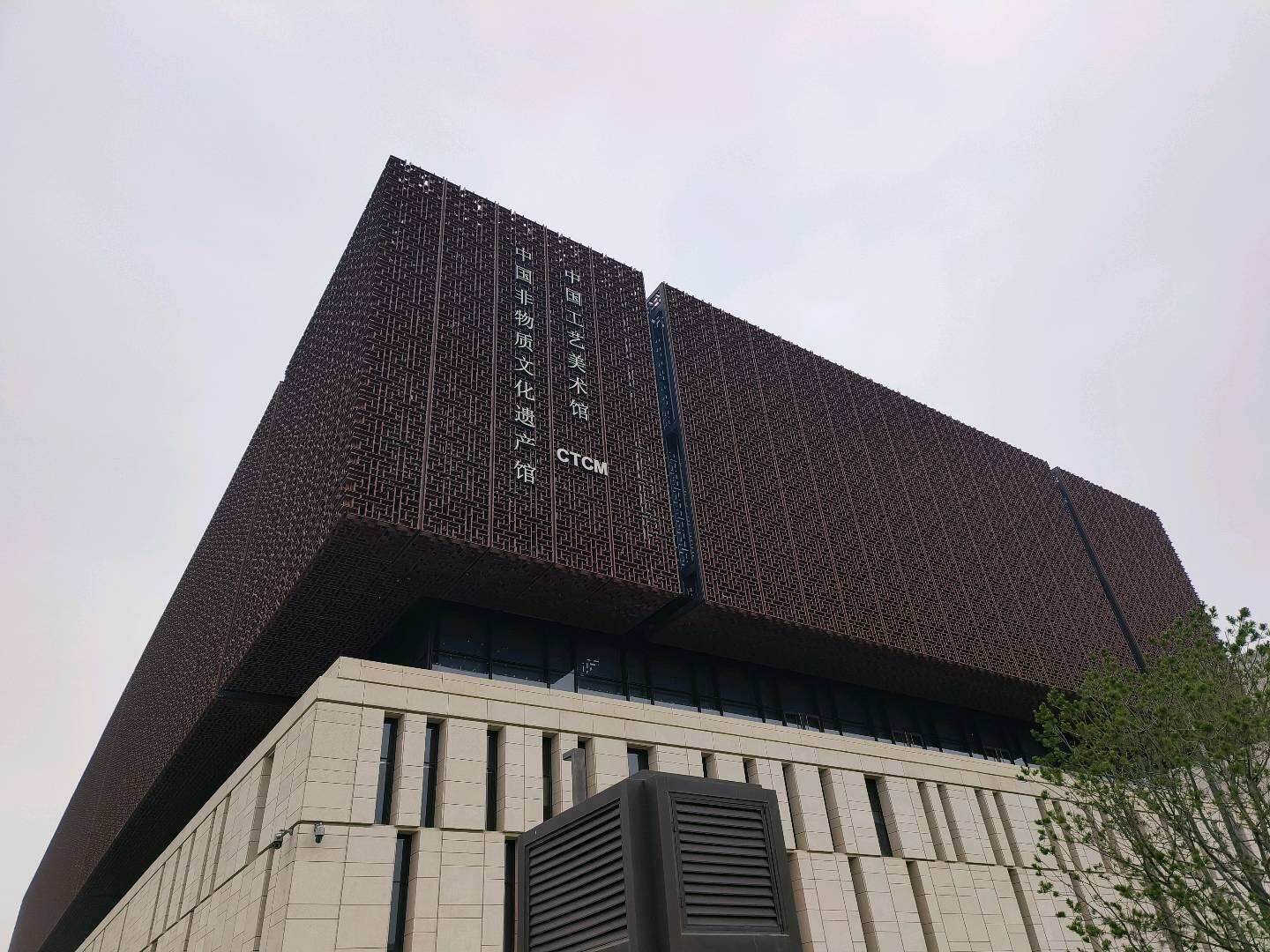
Chinese Intangible Culture Heritage Museum
Free Cancellation
Full refund if you arrive 24 hours in advance
Guide Service
English, Chinese
Product Brief
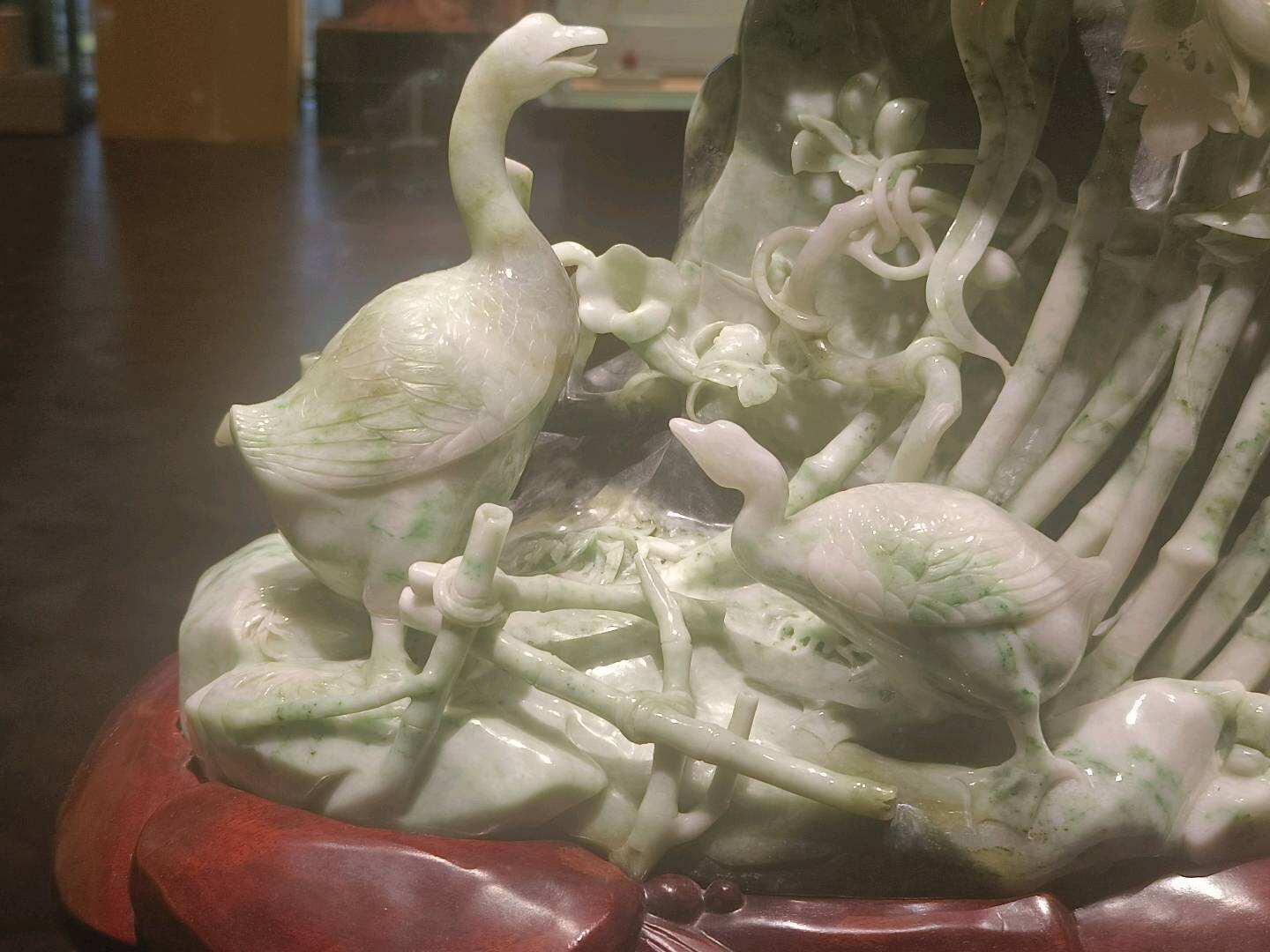
If you like Chinese Culture, Handicraft and Arts, this is the place you can't miss: Chinese Intangible Culture Heritage Musuem.
Inside the huge museum, there are permanent halls and temporary halls. The most attractive ones are the museum of arts and crafts, and the intangible culture heritage musuem. Let me introduce them briefly.
Oil paper umbrella is an old Chinese craft, mainly made by wood, bamboo and paper soaked by tung oil. The tung oil not only endows the waterproof to the paper, but also enhances the resistance to rain, sunshine and time. The colorful painting on the oil paper is what makes it beyong a simple craft, and our Chinese people also give it romantic meaning since the couple easily have good feeling to each other under it.
willow weave is originally used as a utensil in Chinese family which can be traced back to more than thousand years, as container for vegetables, box for clothes or water filter for washing food, and switch its role as fine handicraft nowadays using modern aesthetics, loved by people all over the world. It uses white willow branch as material, which has enough resilience and hardness, and it involves more than ten steps to turn into a fine handicraft.
lantern, the old Chinese handicraft, can be traced back to two thousand years ago in Han dynasty. Besides its utility value for illumination, it is customary to admire the charm of lanterns during Lantern Festival and Mid-Autumn Festival, two festivals that celebrate reunion in China. Lantern shows are held throughout the country on such occasions. Most Chinese lanterns are made with wire structures and fabric coverings. To add to its beauty, artisans also use a variety of materials, such as silk, paper, bamboo and straw.
Chinese porcelain is not just about functionality, it is also an art form. China has a rich experience and brilliant evolution in producing porcelain in history. Jingdezhen, often referred to as the “Porcelain Capital” of China, has been producing porcelain for over 1,000 years. Jingdezhen porcelain is famous for its delicate craftsmanship and intricate designs. During the Ming Dynasty (1368 – 1644 CE), blue and white porcelain became extremely popular. In the Qing Dynasty(1644 – 1912 CE), famille-rose porcelain was created for its pinkish hues and detailed paintings.
Chinese opera combines music, art and literature into one performance on the stage. What appeals most might be the different styles of facial make-up, which is one of the highlights and requires distinctive techniques of painting. Another technique that fascinates people is the marvelous acrobatics. Over the past 800 years, Chinese opera has evolved into many different regional varieties based on local traits and accents. Today, there are over 300 dazzling regional opera styles. Kun opera, which originated around Jiangsu Province, is a typical ancient opera style and features gentleness and clearness. This enabled it to be ranked among the World Oral and Intangible Heritages.
Inside the huge museum, there are permanent halls and temporary halls. The most attractive ones are the museum of arts and crafts, and the intangible culture heritage musuem. Let me introduce them briefly.
Oil paper umbrella is an old Chinese craft, mainly made by wood, bamboo and paper soaked by tung oil. The tung oil not only endows the waterproof to the paper, but also enhances the resistance to rain, sunshine and time. The colorful painting on the oil paper is what makes it beyong a simple craft, and our Chinese people also give it romantic meaning since the couple easily have good feeling to each other under it.
willow weave is originally used as a utensil in Chinese family which can be traced back to more than thousand years, as container for vegetables, box for clothes or water filter for washing food, and switch its role as fine handicraft nowadays using modern aesthetics, loved by people all over the world. It uses white willow branch as material, which has enough resilience and hardness, and it involves more than ten steps to turn into a fine handicraft.
lantern, the old Chinese handicraft, can be traced back to two thousand years ago in Han dynasty. Besides its utility value for illumination, it is customary to admire the charm of lanterns during Lantern Festival and Mid-Autumn Festival, two festivals that celebrate reunion in China. Lantern shows are held throughout the country on such occasions. Most Chinese lanterns are made with wire structures and fabric coverings. To add to its beauty, artisans also use a variety of materials, such as silk, paper, bamboo and straw.
Chinese porcelain is not just about functionality, it is also an art form. China has a rich experience and brilliant evolution in producing porcelain in history. Jingdezhen, often referred to as the “Porcelain Capital” of China, has been producing porcelain for over 1,000 years. Jingdezhen porcelain is famous for its delicate craftsmanship and intricate designs. During the Ming Dynasty (1368 – 1644 CE), blue and white porcelain became extremely popular. In the Qing Dynasty(1644 – 1912 CE), famille-rose porcelain was created for its pinkish hues and detailed paintings.
Chinese opera combines music, art and literature into one performance on the stage. What appeals most might be the different styles of facial make-up, which is one of the highlights and requires distinctive techniques of painting. Another technique that fascinates people is the marvelous acrobatics. Over the past 800 years, Chinese opera has evolved into many different regional varieties based on local traits and accents. Today, there are over 300 dazzling regional opera styles. Kun opera, which originated around Jiangsu Province, is a typical ancient opera style and features gentleness and clearness. This enabled it to be ranked among the World Oral and Intangible Heritages.
Itinerary
1
If you take subway, you might get off at the Olympics Park Station. And I will wait you near the station. If you need a private drive, please contact
2hIf you take subway, you might get off at the Olympics Park Station. And I will wait you near the station. If you need a private drive, please contact me in advance.
Product Options
Standard product
If you like Chinese Culture, Handicraft and Arts, this is the place you can't miss: Chinese Intangible Culture Heritage Musuem.
Inside the huge museum, there are permanent halls and temporary halls. The most attractive ones are the museum of arts and crafts, and the intangible culture heritage musuem. Let me introduce them briefly.
Oil paper umbrella is an old Chinese craft, mainly made by wood, bamboo and paper soaked by tung oil. The tung oil not only endows the waterproof to the paper, but also enhances the resistance to rain, sunshine and time. The colorful painting on the oil paper is what makes it beyong a simple craft, and our Chinese people also give it romantic meaning since the couple easily have good feeling to each other under it.
willow weave is originally used as a utensil in Chinese family which can be traced back to more than thousand years, as container for vegetables, box for clothes or water filter for washing food, and switch its role as fine handicraft nowadays using modern aesthetics, loved by people all over the world. It uses white willow branch as material, which has enough resilience and hardness, and it involves more than ten steps to turn into a fine handicraft.
lantern, the old Chinese handicraft, can be traced back to two thousand years ago in Han dynasty. Besides its utility value for illumination, it is customary to admire the charm of lanterns during Lantern Festival and Mid-Autumn Festival, two festivals that celebrate reunion in China. Lantern shows are held throughout the country on such occasions. Most Chinese lanterns are made with wire structures and fabric coverings. To add to its beauty, artisans also use a variety of materials, such as silk, paper, bamboo and straw.
Chinese porcelain is not just about functionality, it is also an art form. China has a rich experience and brilliant evolution in producing porcelain in history. Jingdezhen, often referred to as the “Porcelain Capital” of China, has been producing porcelain for over 1,000 years. Jingdezhen porcelain is famous for its delicate craftsmanship and intricate designs. During the Ming Dynasty (1368 – 1644 CE), blue and white porcelain became extremely popular. In the Qing Dynasty(1644 – 1912 CE), famille-rose porcelain was created for its pinkish hues and detailed paintings.
Chinese opera combines music, art and literature into one performance on the stage. What appeals most might be the different styles of facial make-up, which is one of the highlights and requires distinctive techniques of painting. Another technique that fascinates people is the marvelous acrobatics. Over the past 800 years, Chinese opera has evolved into many different regional varieties based on local traits and accents. Today, there are over 300 dazzling regional opera styles. Kun opera, which originated around Jiangsu Province, is a typical ancient opera style and features gentleness and clearness. This enabled it to be ranked among the World Oral and Intangible Heritages.
Inside the huge museum, there are permanent halls and temporary halls. The most attractive ones are the museum of arts and crafts, and the intangible culture heritage musuem. Let me introduce them briefly.
Oil paper umbrella is an old Chinese craft, mainly made by wood, bamboo and paper soaked by tung oil. The tung oil not only endows the waterproof to the paper, but also enhances the resistance to rain, sunshine and time. The colorful painting on the oil paper is what makes it beyong a simple craft, and our Chinese people also give it romantic meaning since the couple easily have good feeling to each other under it.
willow weave is originally used as a utensil in Chinese family which can be traced back to more than thousand years, as container for vegetables, box for clothes or water filter for washing food, and switch its role as fine handicraft nowadays using modern aesthetics, loved by people all over the world. It uses white willow branch as material, which has enough resilience and hardness, and it involves more than ten steps to turn into a fine handicraft.
lantern, the old Chinese handicraft, can be traced back to two thousand years ago in Han dynasty. Besides its utility value for illumination, it is customary to admire the charm of lanterns during Lantern Festival and Mid-Autumn Festival, two festivals that celebrate reunion in China. Lantern shows are held throughout the country on such occasions. Most Chinese lanterns are made with wire structures and fabric coverings. To add to its beauty, artisans also use a variety of materials, such as silk, paper, bamboo and straw.
Chinese porcelain is not just about functionality, it is also an art form. China has a rich experience and brilliant evolution in producing porcelain in history. Jingdezhen, often referred to as the “Porcelain Capital” of China, has been producing porcelain for over 1,000 years. Jingdezhen porcelain is famous for its delicate craftsmanship and intricate designs. During the Ming Dynasty (1368 – 1644 CE), blue and white porcelain became extremely popular. In the Qing Dynasty(1644 – 1912 CE), famille-rose porcelain was created for its pinkish hues and detailed paintings.
Chinese opera combines music, art and literature into one performance on the stage. What appeals most might be the different styles of facial make-up, which is one of the highlights and requires distinctive techniques of painting. Another technique that fascinates people is the marvelous acrobatics. Over the past 800 years, Chinese opera has evolved into many different regional varieties based on local traits and accents. Today, there are over 300 dazzling regional opera styles. Kun opera, which originated around Jiangsu Province, is a typical ancient opera style and features gentleness and clearness. This enabled it to be ranked among the World Oral and Intangible Heritages.
From
30.00 USD
per personDuration: 2h
More Details
Reviews (0)
View All →No reviews yet
Be the first to share your experience!
From
USD 30.00
per person