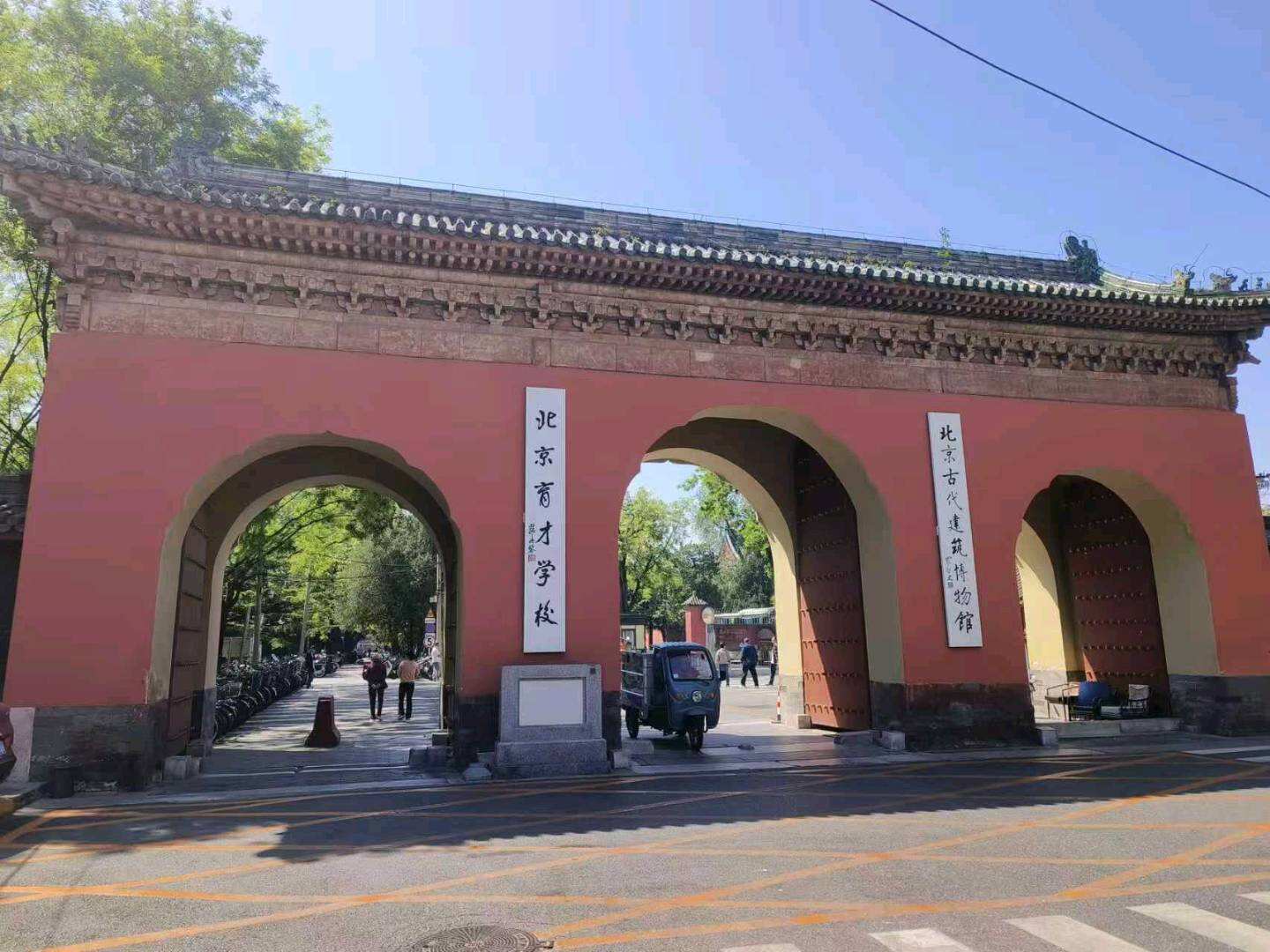
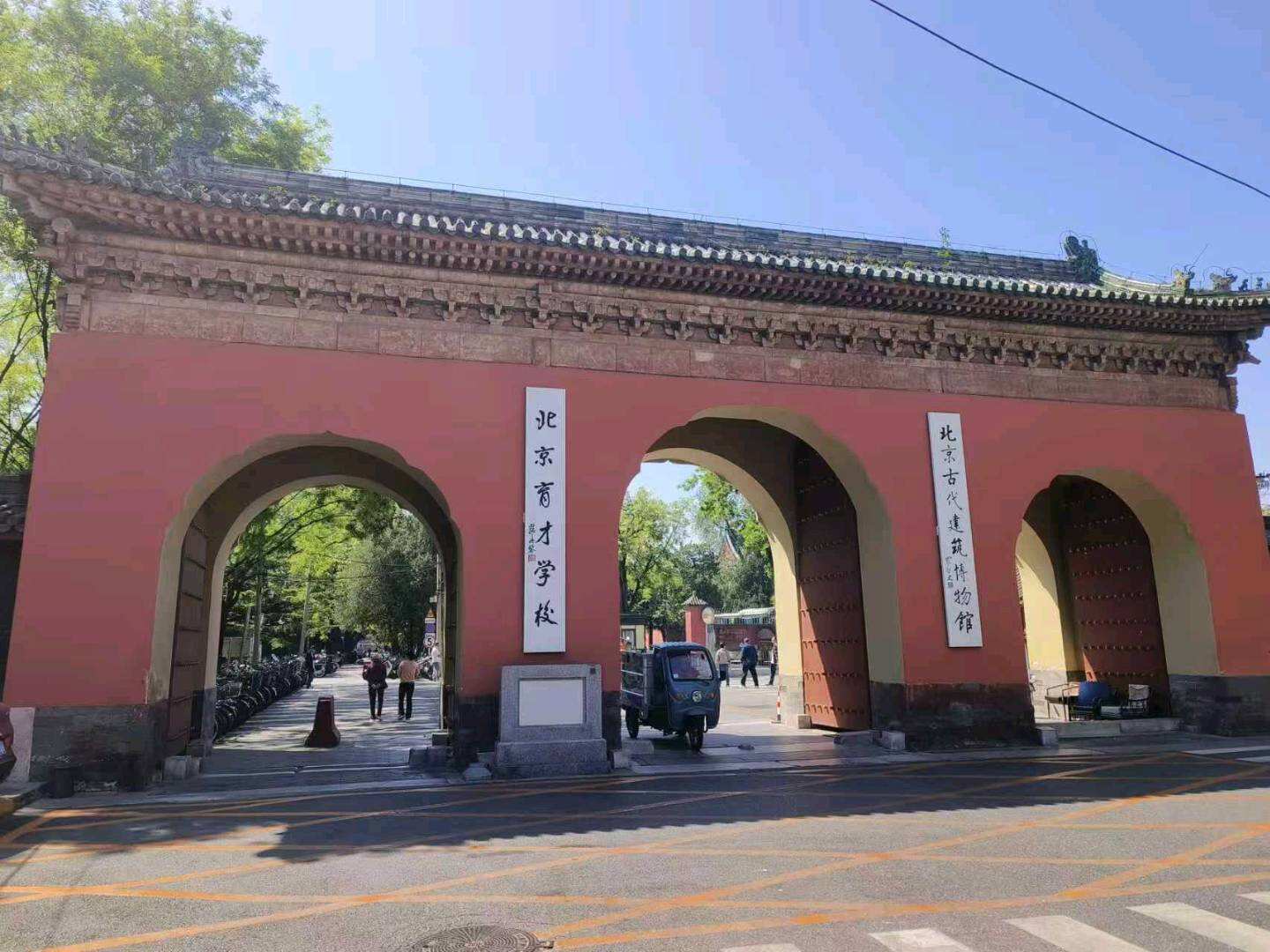
Chinese Ancient Architecture Museum
Free Cancellation
Full refund if you arrive 24 hours in advance
Activity Tags
Historical Sites
Guide Service
English, Chinese
Product Brief
Pictures, videos and models are used mostly to introduce Chinese ancient architectures in this museum. To explain clearly and in detail, the whole topic is carefully organized in three parts.
The first part is the development of architecture in the timeline of Chinese history, and the typical architectures are demonstrated for different dynasties. White Horse Temple, which was built in Han Dynasty(A.D. 68), was the first Chinese temple to commemorate the event that Buddhism was introduced to China at the first time. Zhaozhou Brigde, which was built in Sui Dynasty(A.D. 605), is the first largest single-arch stone bridge in China and still preserved across the river. Yingxian wooden pagoda, which was built in Liao Dynasty(A.D. 1065), is the existing oldest and tallest wooden attic structure in China.
The second part is the introduction of major building components in Chinese style, such as stone sculpture, coloured glaze, wall painting and palace roof. One of the key widget for supporting usage between pillar and beam, named Dougong in Chinese, demonstrates the wistom of craftsman. It has been delicate designed and two parts interconnected layer by layer, not only enhance the firm and resilience of architecture, but also shows the beauty of it. Yingxian wooden pagoda used more than 50 types of Dougong. The caisson ceiling is a wonderful work of art in ancient architecture. It offen appears directly above the throne in palace or figure of Buddha in temple, to show the solemn and sacred. This caisson ceiling demonstrated in the museum shows the picture of heaven in ancient people’s imagination. Its beauty is beyong my words.
The third part is the introduction of different types of architecture in Chinese style, such as imperial garden, altar, temple and memorial archway. Beijing siheyuan is the exceptional representive form of residence. The appearance of gate shows the position of host in society. Usually the whole layout can be divided into three or four courtyards, with the front rooms prepared for guests, the rooms in center courtyard for hosts and back ones for the servants.
Itinerary
If you take subway, you might get off at the Tianqiao Station. And I will wait you near the station. If you need a private drive, please contact me in
3hIf you take subway, you might get off at the Tianqiao Station. And I will wait you near the station. If you need a private drive, please contact me in advance.
Product Options
Standard product
Pictures, videos and models are used mostly to introduce Chinese ancient architectures in this museum. To explain clearly and in detail, the whole topic is carefully organized in three parts.
The first part is the development of architecture in the timeline of Chinese history, and the typical architectures are demonstrated for different dynasties. White Horse Temple, which was built in Han Dynasty(A.D. 68), was the first Chinese temple to commemorate the event that Buddhism was introduced to China at the first time. Zhaozhou Brigde, which was built in Sui Dynasty(A.D. 605), is the first largest single-arch stone bridge in China and still preserved across the river. Yingxian wooden pagoda, which was built in Liao Dynasty(A.D. 1065), is the existing oldest and tallest wooden attic structure in China.
The second part is the introduction of major building components in Chinese style, such as stone sculpture, coloured glaze, wall painting and palace roof. One of the key widget for supporting usage between pillar and beam, named Dougong in Chinese, demonstrates the wistom of craftsman. It has been delicate designed and two parts interconnected layer by layer, not only enhance the firm and resilience of architecture, but also shows the beauty of it. Yingxian wooden pagoda used more than 50 types of Dougong. The caisson ceiling is a wonderful work of art in ancient architecture. It offen appears directly above the throne in palace or figure of Buddha in temple, to show the solemn and sacred. This caisson ceiling demonstrated in the museum shows the picture of heaven in ancient people’s imagination. Its beauty is beyong my words.
The third part is the introduction of different types of architecture in Chinese style, such as imperial garden, altar, temple and memorial archway. Beijing siheyuan is the exceptional representive form of residence. The appearance of gate shows the position of host in society. Usually the whole layout can be divided into three or four courtyards, with the front rooms prepared for guests, the rooms in center courtyard for hosts and back ones for the servants.
More Details
Reviews (0)
View All →No reviews yet
Be the first to share your experience!