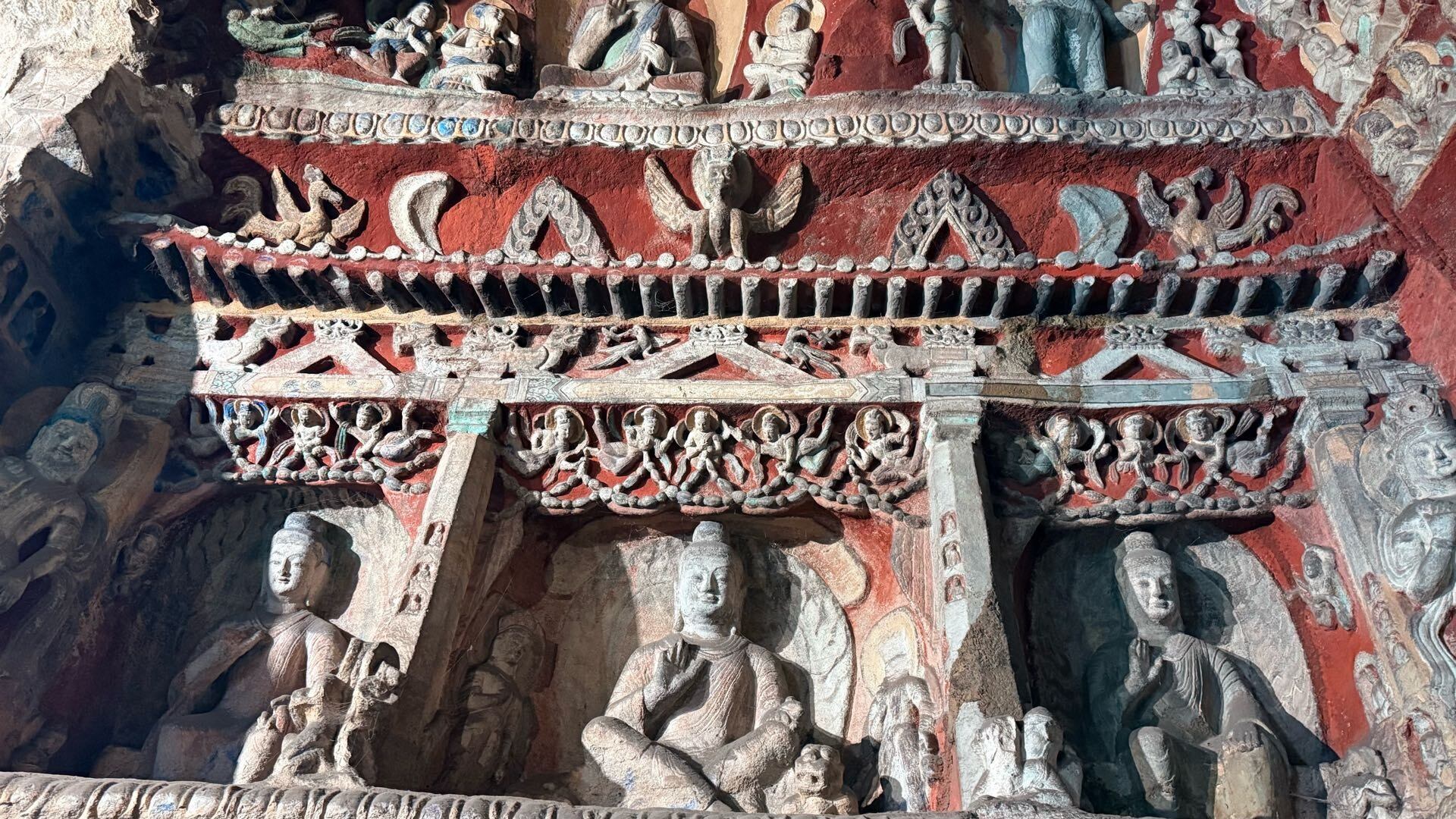
One-day tour in Datong: Yungang Grottoes and the Hanging Temple
Free Cancellation
Full refund if you arrive 24 hours in advance
Activity Tags
Historic Building
Guide Service
English, French, German
Product Brief
Yungang Grottoes and the Hanging temple are two Datong’s iconic twin attractions, showcasing Northern Wei artistic brilliance and ancient Chinese engineering genius.
The Yungang Grottoes
The Yungang Grottoes, a UNESCO World Heritage Site (inscribed in 2001), lie 16 km west of Datong, Shanxi, on the southern slope of Wuzhou Mountain. Carved between 460–525 AD during the Northern Wei Dynasty, this 1-km-long cliffside complex houses 252 caves and niches with over 51,000 Buddhist stone statues. The tallest Buddha (Cave 5) stands 17.4 meters high, while smaller figures are just centimeters tall. A masterpiece of ancient Chinese stone-carving art, it blends Central Asian Gandhara and Indian Mathura styles, reflecting early cultural exchange along the Silk Road. It ranks among China’s Three Great Grottoes (with Mogao and Longmen).
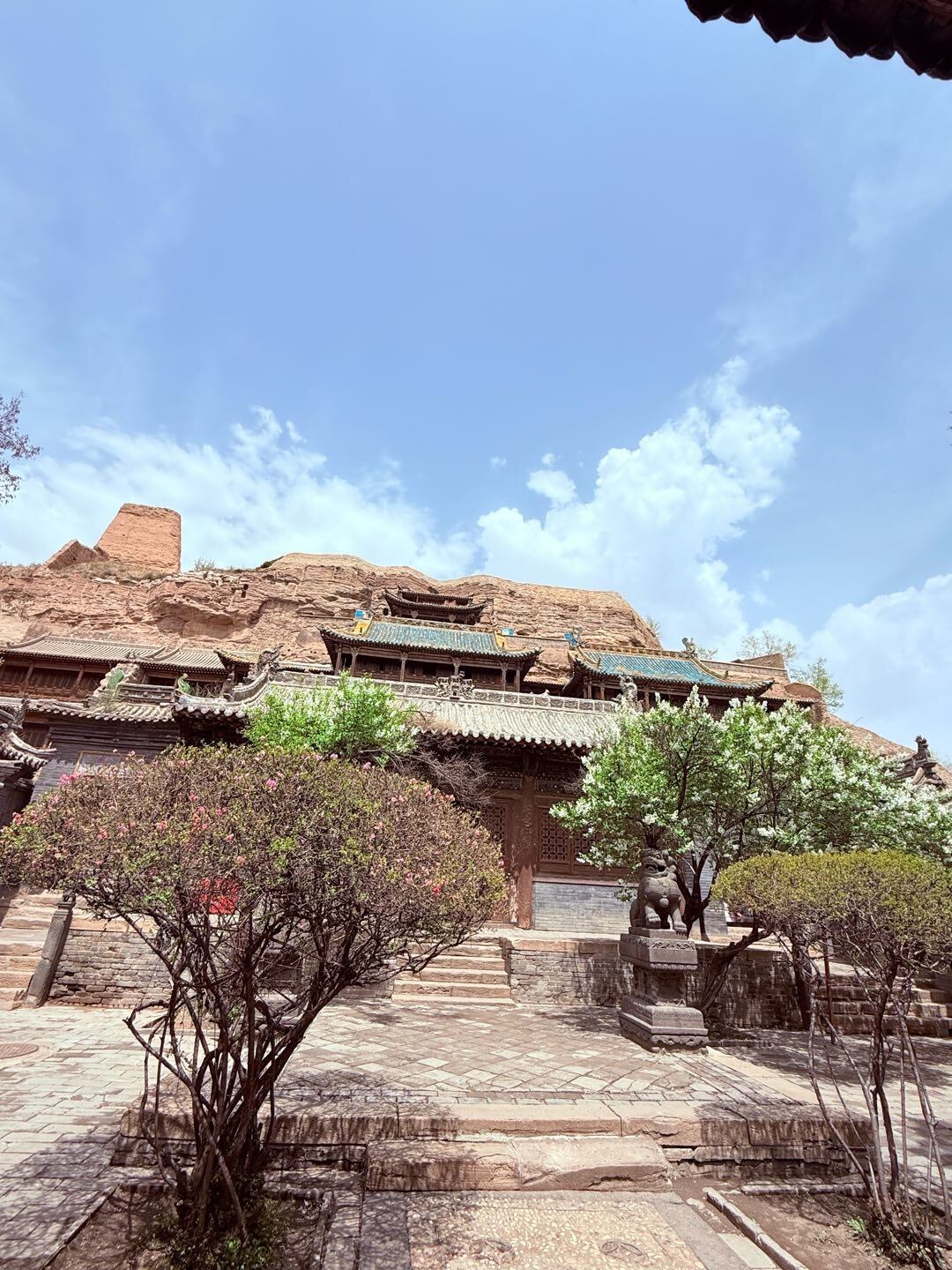
Hanging Temple (Xuankong Temple)
The Hanging Temple, 65 km southeast of Datong in Hunyuan County, perches 75 meters up a sheer cliff of Cuiping Peak (Mount Heng). Built in 491 AD (Northern Wei) and rebuilt in later dynasties, it’s China’s only temple integrating Buddhism, Taoism, and Confucianism. The 152.5㎡ wooden structure uses no nails—instead, oak beams are anchored deep into rock, supporting 40+ halls and 80+ statues. Its “marvelous, perilous, ingenious” design earned it a spot on Time’s 2010 list of World’s Top 10 Most Dangerous Buildings. Protected by an overhanging rock ledge, it avoids rain erosion and direct sunlight.
Itinerary
1: Pick up at the train station or hotel, take the private car to the Caves, usually it costs 40 minutes to arrive at the grottoes.2: Visit the most d
20 min2: Visit the most delicately carved caves and detailed explanations will be given. After that you can have some free time walking around the Grottoes.
3: It will cost 1.5 hours to be at the tourist's center of the Hanging Temple. We will take the shuttle bus, ten minutes’ driving, to arrive at the scenic spot of the Hanging Temple, there will be an 40 minutes or one hour’s queue before we climb up the temple. Sometimes it depends on how many people are there.
4: After visiting here you will be transferred back to Datong city, either to the station or to the hotel you booked.
5: This is the whole trip.
Product Options
Standard product
The Yungang Grottoes
The Yungang Grottoes, a UNESCO World Heritage Site (inscribed in 2001), lie 16 km west of Datong, Shanxi, on the southern slope of Wuzhou Mountain. Carved between 460–525 AD during the Northern Wei Dynasty, this 1-km-long cliffside complex houses 252 caves and niches with over 51,000 Buddhist stone statues. The tallest Buddha (Cave 5) stands 17.4 meters high, while smaller figures are just centimeters tall. A masterpiece of ancient Chinese stone-carving art, it blends Central Asian Gandhara and Indian Mathura styles, reflecting early cultural exchange along the Silk Road. It ranks among China’s Three Great Grottoes (with Mogao and Longmen).
Hanging Temple (Xuankong Temple)
The Hanging Temple, 65 km southeast of Datong in Hunyuan County, perches 75 meters up a sheer cliff of Cuiping Peak (Mount Heng). Built in 491 AD (Northern Wei) and rebuilt in later dynasties, it’s China’s only temple integrating Buddhism, Taoism, and Confucianism. The 152.5㎡ wooden structure uses no nails—instead, oak beams are anchored deep into rock, supporting 40+ halls and 80+ statues. Its “marvelous, perilous, ingenious” design earned it a spot on Time’s 2010 list of World’s Top 10 Most Dangerous Buildings. Protected by an overhanging rock ledge, it avoids rain erosion and direct sunlight.
More Details
Reviews (0)
View All →No reviews yet
Be the first to share your experience!